
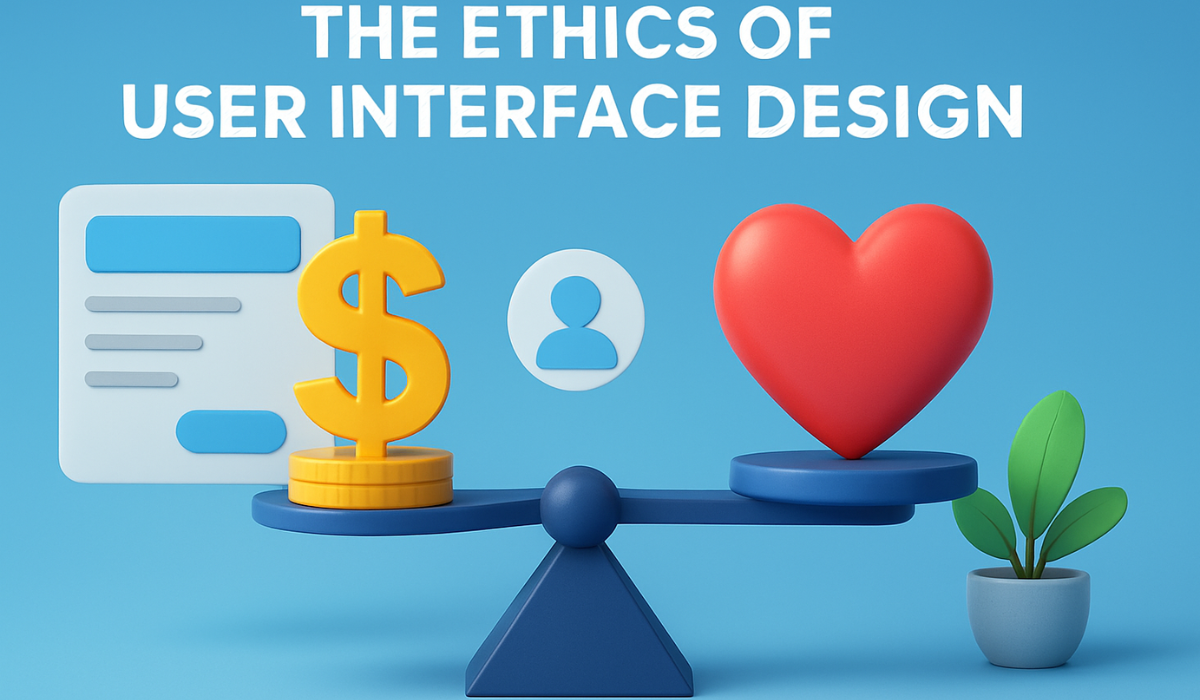
In today’s digital-first world, every click, swipe, and tap is carefully designed. From the apps we use to the websites we browse, user interface (UI) design shapes our decisions more than we realize. But as companies strive to maximize profits, the question arises: where should designers draw the line between business goals and user well-being? This is the heart of The Ethics of User Interface Design: Balancing Profit and User Well-Being.
The interfaces we interact with daily aren’t neutral—they’re powerful tools that influence our thoughts, emotions, and behaviors. While businesses want higher engagement and conversions, ethical design ensures users feel respected, safe, and empowered. Finding the right balance is no longer optional; it’s essential for long-term trust and sustainable growth.
When discussing The Ethics of User Interface Design: Balancing Profit and User Well-Being, one cannot ignore the impact of so-called “dark patterns.” These are manipulative design tactics—like hidden opt-out buttons, disguised ads, or endless notifications—that push users into making choices they may not truly want. While these methods can temporarily boost profits, they often damage brand reputation and erode user trust.
Ethical UI design instead focuses on transparency and respect. For example:
Clear consent practices help users understand how their data is being used.
Accessible design ensures inclusivity for people with disabilities.
Balanced engagement tools encourage interaction without fostering unhealthy habits like overuse or addiction.
By centering on these principles, businesses can still thrive while ensuring users feel valued. A positive reputation, loyal customers, and word-of-mouth recommendations are powerful outcomes of practicing ethical design.
Why should companies prioritize The Ethics of User Interface Design: Balancing Profit and User Well-Being? The answer lies in long-term sustainability. A design that manipulates users into quick conversions may deliver short-term revenue, but it risks losing customers who feel tricked or exploited. Ethical design, on the other hand, creates relationships built on trust.
Consider the success of companies that emphasize user well-being. Features like screen-time reminders, customizable privacy settings, and accessible navigation are not only ethically sound but also appreciated by users. They show that the brand genuinely cares, which directly enhances loyalty and customer lifetime value.
Moreover, research increasingly shows that today’s consumers—especially younger generations—prefer brands that align with their values. Ethical UI design signals responsibility, integrity, and empathy. In an era where social responsibility matters, companies that balance profit with user well-being gain a competitive edge.
The desire for sustainable success makes The Ethics of User Interface Design: Balancing Profit and User Well-Being a vital consideration for every organization, from startups to global tech giants.

So, how can businesses and designers take meaningful steps to achieve The Ethics of User Interface Design: Balancing Profit and User Well-Being? Here are practical actions:
Audit existing interfaces to identify dark patterns, misleading CTAs, or unnecessary friction that may frustrate users.
Prioritize accessibility to ensure all users, regardless of ability, can navigate seamlessly.
Enhance transparency by making data usage and privacy policies simple and straightforward.
Balance engagement tools by offering features like optional reminders or customizable controls.
Foster a culture of ethics by educating design teams about the human impact of every decision.
Taking these actions helps align profitability with responsibility. By embedding The Ethics of User Interface Design: Balancing Profit and User Well-Being into strategy, organizations can achieve not only financial success but also long-lasting trust.
The Ethics of User Interface Design: Balancing Profit and User Well-Being is no longer just a niche discussion—it is central to the future of digital experiences. Every decision made by a designer has a ripple effect on users’ lives. Companies that prioritize ethical design will enjoy loyal customers, stronger reputations, and sustainable growth.
In the race for profit, respecting user well-being isn’t a limitation—it’s a powerful advantage. The digital world thrives when ethics and business goals align, creating experiences that are both profitable and human-centered.
Frequently Asked Questions (FAQs)
1. What does “The Ethics of User Interface Design: Balancing Profit and User Well-Being” mean?
It refers to creating digital experiences that respect users while also achieving business goals without manipulative tactics.
2. Why are dark patterns considered unethical in UI design?
Dark patterns mislead users into actions they didn’t intend, damaging trust and user satisfaction.
3. How can ethical UI design improve customer loyalty?
By being transparent and user-friendly, ethical design fosters trust, which leads to long-term customer relationships.
4. What role does accessibility play in ethical UI design?
Accessibility ensures inclusivity, making digital products usable for people with diverse abilities.
5. Can businesses remain profitable while using ethical UI practices?
Yes, ethical practices enhance trust and brand reputation, which drive sustainable profitability.
6. What are examples of ethical UI design?
Examples include clear privacy settings, screen-time reminders, and straightforward navigation.
7. Do younger consumers care about ethical UI design?
Yes, younger generations prefer brands that align with their values and prioritize user well-being.
8. How can designers avoid manipulative design patterns?
By conducting audits, practicing transparency, and focusing on the long-term human impact of their design choices.