
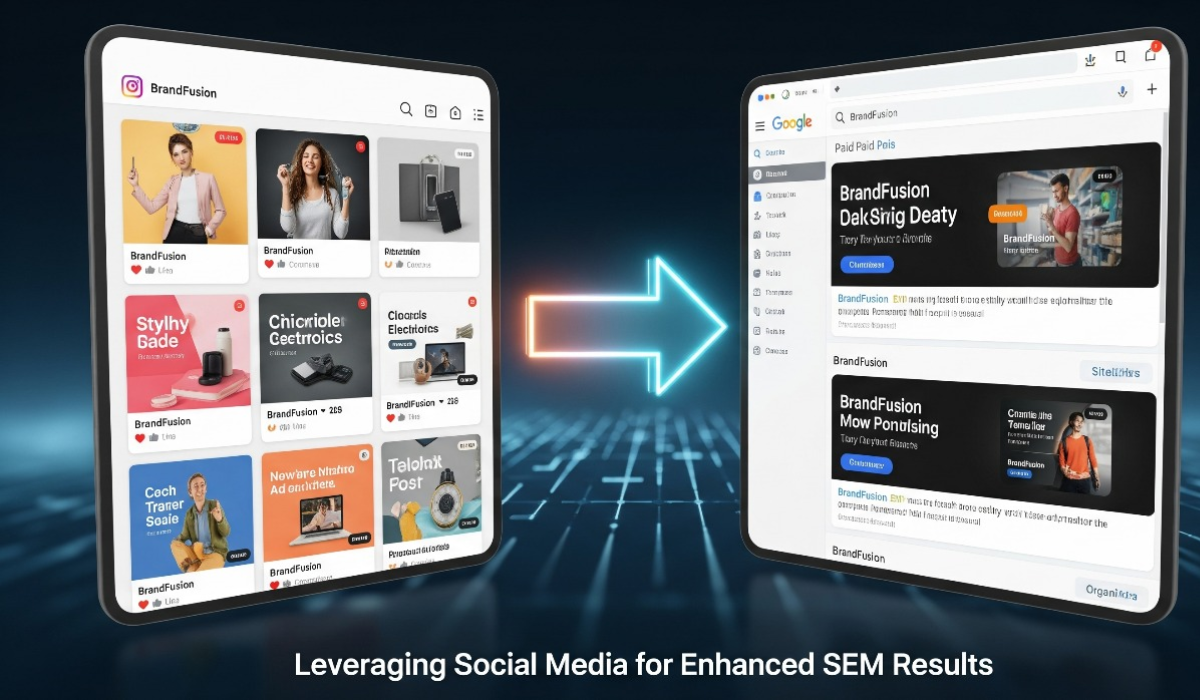
Why Social Media and SEM Matter More Than Ever
In today’s fast-paced digital era, businesses cannot rely on a single channel to succeed. Social Media and SEM (Search Engine Marketing) are two of the most powerful tools available for boosting visibility, attracting customers, and driving conversions. Individually, they deliver strong results, but when combined, Social Media and SEM create a powerful synergy that maximizes reach, engagement, and ROI.
With millions of daily searches on Google and billions of active users across platforms like Facebook, Instagram, LinkedIn, and Twitter, your customers are constantly switching between search engines and social media. The question is: are you present in both spaces and using them together effectively?
The Connection Between Social Media and SEM
One of the biggest advantages of using Social Media and SEM together is how they influence one another. Social media generates awareness, builds trust, and drives traffic. SEM captures intent-driven users ready to take action. When social engagement supports SEM campaigns, the results are exponential.
Social signals boost credibility: Likes, comments, and shares improve brand awareness and can indirectly impact SEM performance.
Keyword research insights: Monitoring social conversations helps identify trending keywords you can incorporate into SEM campaigns.
Engaging content distribution: Blogs, videos, and infographics shared on social media drive traffic, improve CTRs, and support SEM goals.
Businesses that integrate Social Media and SEM strategies don’t just compete — they dominate.
How to Leverage Social Media and SEM Together
If you want real results, it’s not enough to run SEM ads or post on social media separately. You need a combined strategy:
Use Social Media for Smarter Keyword Research
Social platforms give you real-time insights into what your audience is talking about. By applying these trending topics and hashtags to your SEM campaigns, you ensure your ads are more relevant.Create Engaging Content That Fuels Both Channels
High-quality blogs, videos, and graphics can be shared across social media while also supporting SEM landing pages. This improves relevance and increases conversions.Run Paid Social Ads to Support SEM Campaigns
Targeted ads on Facebook, Instagram, or LinkedIn drive users to SEM landing pages, improving visibility and generating valuable engagement data.Cross-Promote Strategically
Promote SEM landing pages on social channels and encourage your SEM audience to follow your brand on social media. This creates a cycle of trust and brand reinforcement.Focus on User Experience
A seamless journey from social media content to SEM landing pages ensures users stay engaged, lowering bounce rates and increasing conversions.
When Social Media and SEM strategies work together, businesses see stronger brand recognition, improved CTRs, and better ROI.
Take Charge of Your Digital Growth
It’s not enough to know that Social Media and SEM work well together — you must take action. Start by auditing your current strategies. Ask:
Are my SEM campaigns aligned with audience insights from social media?
Am I using content consistently across both channels?
Do I track performance metrics from both sources and refine strategies accordingly?
The time to act is now. Businesses that embrace Social Media and SEM integration will stay ahead of competitors, capture more market share, and build lasting customer relationships.
Ready to maximize your results? Combine your Social Media and SEM strategies today and unlock your full digital potential.
Frequently Asked Questions
Q1. What is the connection between Social Media and SEM?
A1. Social media drives brand awareness, while SEM captures user intent. Together, they build trust, improve visibility, and maximize conversions.
Q2. Can social media activity improve SEM results?
A2. Yes. Social signals like shares and engagement indirectly support SEM by boosting credibility and increasing CTRs on ads.
Q3. How can I use social media for SEM keyword research?
A3. Monitoring hashtags, trending topics, and audience discussions helps identify high-performing keywords for SEM campaigns.
Q4. What role does content play in Social Media and SEM?
A4. High-quality content fuels both channels, driving traffic from social media while improving SEM ad performance and landing page relevance.
Q5. Should I run paid ads on both social media and SEM?
A5. Absolutely. Paid social ads expand reach and deliver audience insights that improve SEM targeting and ad copy.
Q6. How do I measure the success of Social Media and SEM integration?
A6. Track metrics such as CTR, conversions, engagement rates, and ROI using tools like Google Analytics and social media insights.
Q7. Can small businesses benefit from combining Social Media and SEM?
A7. Yes, small businesses can achieve cost-effective growth by aligning their social engagement with targeted SEM campaigns.
Q8. What’s the biggest mistake businesses make with Social Media and SEM?
A8. Treating them as separate strategies. The real power lies in integration — creating a seamless digital experience across both channels.

